Home

Inspiration – Mindfulness

1 Comment

Thanks to Val Boyko for sharing…

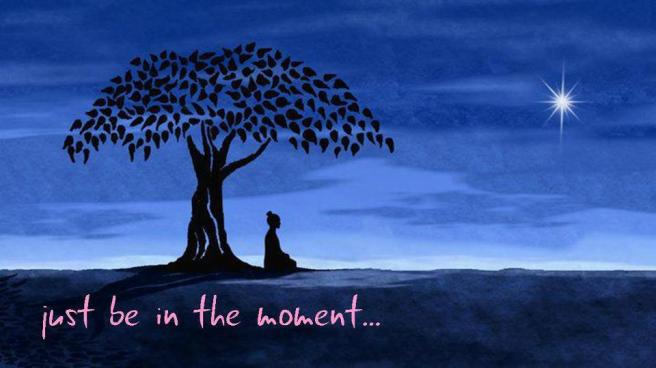
“Ultimately I see mindfulness as a love affair – with life, with reality and imagination, with the beauty of your own being, with your heart and body and mind, and with the world.”    – Jon Kabat Zinn

Mindful living

What an inspiring way to describe mindfulness. Life is beautiful.

In the beginning it takes practice, and yes, some discipline to bring mindful awareness to our thoughts and feelings.   Many of us will choose to sit in meditation as a daily practice, and focus on our breath. This takes time and willpower. Which is also part of the mindful practice.

Yet, ultimately, it isn’t about the place we are practicing in, or what we want to gain from meditation. Its about opening ourselves up to being aware of every aspect of our life. Our actions, thoughts, beliefs, speech. Our body and breath. Our attitudes and how we relate to others.

Connecting to the world around us and within us.

It becomes a love affair with the world and our being-ness.

Namaste

“Ultimately I see mindfulness as a love affair – with life, with reality and imagination, with the beauty of your own being, with your heart and body and mind, and with the world.” – Jon Kabat Zinn What an inspiring way to describe mindfulness. Life is beautiful. In the beginning it takes practice, and yes, […]

via Inspiration – Mindfulness — Find Your Middle Ground

Mindfulness

7 Comments

Thanks to Zendocity for sharing

In a world dominated by smart phones and other handheld devices, society seems to have developed a need to be constantly entertained. We scroll through social media on the bus, read a book while waiting in line or, if all else fails, pull up a game to pass the time. Our minds are always busy, but what happens when we don’t step back, focus our minds and recharge?

Recharging our minds helps us deal with all of the thoughts, feelings, and events of our lives. Not taking a break and plugging your mind into the present can allow a buildup of stress and anxiety, which lead to bigger problems with things like high blood pressure and depression. Practicing mindfulness is a fantastic way of bringing your focus back to the present and recharging your mind.

introduction-to-mindfulness

Mindfulness is a way of paying special attention to what’s around us. The trick is to notice our thoughts, feelings, and physical sensations in a way that is open, curious and accepting. Anyone can practice mindfulness, anytime, anywhere. The trick to seeing the effects of living more mindfully is to practice regularly.

The effects of living a more mindful life are unique from person to person, but some of the widespread benefits are

  • Lower stress
  • Improved physical health
  • Improved concentration
  • Relief from psychological difficulties
  • Greater awareness of teh why behind our own feelings and behaviors
  • Allows us to be more present in the good times
  • Boosts creativity

Ready to jump in? Take a few minutes and follow this basic guide to submerging yourself in the present.

Sit comfortably and focus on your breathing, from there spread your mind out to notice other physical sensations of being in the present moment. Notice your thoughts and feelings. As you’re taking stock of the moment, the trick is to not pass judgement on the physical, emotional or mental aspects. Chances are your mind will wander away from what you’re doing. Don’t criticize yourself when this happens, just bring yourself back to your breathing and start the process of focusing on the present over again.

mindfulness_poster_UK

One of the really cool things about mindfulness techniques is that they can be broken down into short exercises to help you focus and relax in stressful situations. For example, if you’re in a meeting and feeling overwhelmed try out one of these mindfulness exercises to help you focus on the present and relax in stressful situations.

  1. Take a moment and notice three points where your body makes contact with itself or the world around you.
  2. Breathe in for a count of seven, then breathe out for a count of eleven. Repeat.
  3. See if you can find the space of stillness between breathing in and out. Focus your attention there for the next few breaths.
  4. Take a deep breath in. Imagine the air going all the way down to your feet and notice the sensations of your feet against the floor. Repeat.
  5. Take a moment and think of a kind wish for… Someone you care about, Yourself, Someone you really don’t know, and Someone who bothers you.

2016-03-01-1456799824-2781712-mindfulnes

Even taking one minute to focus on the present moment can help to recharge your mind and clear away the chatter that is stress over the future or regrets over the past. So, next time you find yourself reaching for your phone for a bit of entertainment, try immersing yourself in the present instead.

In a world dominated by smart phones and other handheld devices, society seems to have developed a need to be constantly entertained. We scroll through social media on the bus, read a book while waiting in line or, if all else fails, pull up a game to pass the time. Our minds are always busy, […]

via Mindfulness — Zendocity

Iceland- Plane Wreck

1 Comment

IMG_2578-2

Thanks to  — Moosylicious for sharing…via Iceland- Plane Wreck — Moosylicious

Mindfulness

Leave a comment

Thanks to gael’s photography blog for sharing.

“The best way to capture moments is to pay attention. This is how we cultivate mindfulness. Mindfulness means being awake.” – Jon Kabat-Zinn Instagram: gaelsphotography

via Mindfulness — gael’s photography blog

9 Things That Can Be Easily Overlooked During Preflight 

Leave a comment

Source: 9 Things That Can Be Easily Overlooked During Preflight | Boldmethod

1) Mandatory inspections

It’s important to verify that all required inspections are met for the aircraft you’re flying. You don’t want to compromise the safety of you and your passengers by flying an aircraft outside of its inspection windows, and you don’t want to have to explain why you flew an aircraft outside of mandatory inspections to the FAA, either.

1
Capwatts86

2) Required documents

At the start of each preflight, make sure your aircraft has all the required documents on board. Remember the acronym ARROW which stands for Airworthiness, Registration, Radio Station License, Operating Manual, and Weight and Balance.

2
Jack Snell

3) Fuel quantity

Never rely solely on the fuel quantity indicators. Make sure you visually check your fuel tanks to make sure you have enough gas for your flight.

1
fireboatks

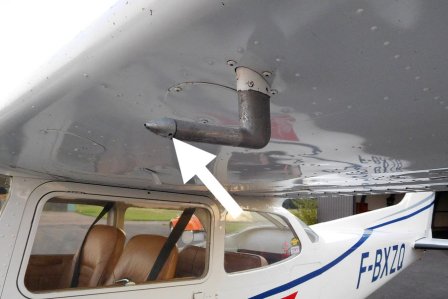
4) Pitot tube drain hole

You should always make sure that the pitot tube is open, as well as the drain hole. If you end up flying through precipitation, you want to make sure that your pitot tube is draining properly, so your indicated airspeed isn’t affected.

4
JPC24M

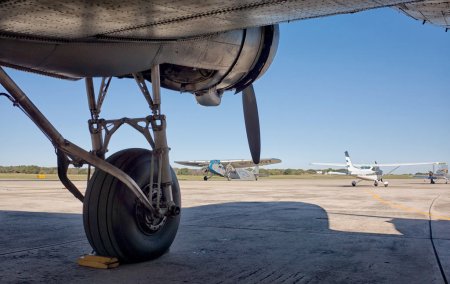
5) Landing gear condition

Instead of skimming over the tire and saying “It looks good to me!”, make sure you actually check that the tire has proper inflation and that the tread isn’t worn down. It’s also important to make sure that the brake pads are intact, and that there isn’t any hydraulic fluid leaking.

5
Anne Worner

6) Bottom of the fuselage

While it may seem unneeded, it helps you make sure there aren’t any dents on the bottom of the aircraft, tail strikes, or debris from prop blast. You also want to make sure there isn’t any excessive oil dripping, and that the avionics antennas are still intact before you go.

primary

7) Contaminants on the wings

When it’s below freezing, it can be easy to overlook contaminants on the wing like frost and clear ice, which both have adverse effects to your aircraft’s performance.

NTSB Frosted Wing

8) The propeller

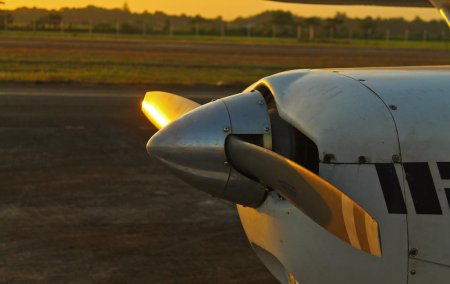
Take your time to do a thorough inspection of the propeller. Make sure that both the leading and trailing edges of the propeller are smooth, and don’t have nicks or cracks. In addition to the visual inspection, you can also perform an audible test on composite props. Gently tap on the propeller from the hub to the propeller tip with a metal coin. If the tapping sounds hollow or dead, your prop could be delaminated, and you should have a mechanic check it out.

8
RM Bulseco

9) Fuel filler caps

Double check them before you fly! If they’re not properly attached, you could risk fuel leakage from the top of the wing, which could make for a bad day.

primary
jay-jerry

What else is easy to miss on preflight? Tell us in the comments below.

A Beginners Guide to Aviation Photography

Leave a comment

Thanks to “An Adventure in Awesome” for sharing.  Knowledge without application is meaningless –Thomas Edison

Part one: Some thoughts on Aviation Photography

Troll disclaimer. This is not the only way to photography aircraft and aviation events. This is information that I have learned and what works well for me. My tips and tricks may not work well for you. My goal is to share what I have learned with others. Knowledge without application is meaningless. –Thomas Edison

This is the start of series that would help someone start to shoot aircraft and aviation events more successful. This has been a project I have had in minds for years now. When I first had the idea, I wanted to do it as one lengthy article but never manage to find time to complete it. Now here, it will make a great series, giving me time to figure out topics, how to say as well as find images to support the post.

Tbird waving at Thunder

Before we go any further, there are two things I want to address. First, make sure you RTFM that came with your gear! And for those of you who are unwilling to read, you’re in luck. There is a wonderful website called YouTube where you can search the make and model of your gear and watch a video on how to use it. Before you start shooting anything with your gear, you should have a basic understanding of how to use it. I can’t stress enough how important it is to know how to use your camera and gear properly. Here’s the thing, I’m going to be using some basic terminology of photography like ISO, Shutter/Aperture Priority, F-stops to name a few and I’m not going to define or explain them. These are a few things you should know what they are as well as how to access them on your gear. Just because you own a camera, does not make you a photographer! And second, what gear you should have to shoot aviation events with. For most of us, this is a hobby and we do something else for a living. I know I do not have $10 to $15,000 to drop on gear and tell anyone who want to start shooting aircraft is unrealistic. That is why knowing how to use your gear properly is so important. Yes, having great gear helps but it is absolute useless unless you know how to use it properly. Like anything you buy, you get what you pay for. A $4600 camera body does far more than a $700 one. Buy the best that you can afford, learn to use it properly, find and work around its limits then grow into better gear.

Let me share with you my feelings about Aviation photography and want to get you to start thinking about how you feel about it. When I think about Aviation photography, I don’t think about all the airshows and aviation events I want to attend however I do think about a list of aircraft set in great lighting conditions where I can create unique images. For me, it is a passion. (going to have a future post on Passion and what it means to me) It’s something that if I was told that I could never shoot aircraft and any type of aviation event ever again, I would fight for my life to keep shooting what I love. It is something that I’m never going to stop trying to master. I love being behind my camera making new images as well as being around aircraft of any sort. Warbirds to modern fighters, from helicopters beating the air into submission to spotting airlines at the local airport. If it flies, I want to try a make a great image of it. I also feel that like any other art form, it should be creative and not just documenting aircraft and aviation events. Using elements of design to create visual interest, adjusting my camera setting to get a sense of motions along with telling a story.

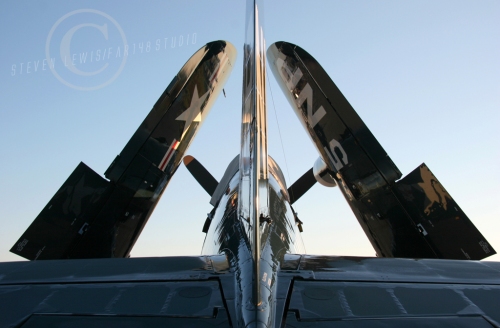
Corsair at Thunder

This leads me into my first question for you, “What makes a great image?” I feel it comes down to three things, light, subject and the story behind the image. How well did you capture the light along with what does the image say? I’m no professional but I do know a great image when I see one. And in those images, the photographer mastered the exposure, composition and the image speaks to the viewers. You should not have to explain what the viewer is looking at. Great photos just don’t happen, Photographers work hard to make them. You’re going to have to work hard too. Here’s a helpful tip, collect images from photographer that you like and study they’re work. Collect them from Flicrkr, Instagram, 500pix even from their personal website. Books and magazines are also a great source to find image that you like. Ask yourself how did he or she shoot it? If you have a EXIF viewer and the data was not striped from the image, you can as least know what setting were used. What you will not learn is how they saw the image before they shot it. Your “eye” or creative vision is something that you and you alone must develop and nurture. Looking at photos from other photographers can help train your eye to start to see thing differently. It’s not going to happen overnight and you can read every book on photography about to how do so but it’s not going to matter until you try to put what you read into practice.

Every time I’m out shooting, I see other photographers and I ask myself “What’s going to make my images stand out from theirs?” This is the second question I want you to think about. For me, it forces me to get out of my comfort zone and do something different. Can I shoot from a higher location? How’s the light now V’s later? Go portrait or landscape? Always pushing myself and constantly nurturing my skills. Over the years of shooting, failing and learning, I’ve manage to build a collection of images I can call my own. A set of images that are well exposure, creativity composed and unique to me. Every show and event I go to, I try to add new images to my collection but it does not always happen. This is my approach to Aviation photography, to build over the long haul a set of images unique to me from my mind’s eye and from skills that I learned.

86 at Thunder

On to the last question I would like you to think about is, “What type of Aviation events are you interested in photographing?” There are many to choose from. Airshows, fly-ins, base visits and exercises, museum visits and finally, spotting. All of them offers different perspectives and opportunities to photographing aircraft as well as they have their own unique challenges. I enjoy warbirds and I attend airshows, fly-ins that are mainly cater warbirds as well as visit the museums where they are based. The internet is the best place to find out what is happening and when. Google is your smart friend, used and learn! I will talk more about each type of events in a future post in this series.

The reason why I started with these third questions and not jumping into what’s the appropriate settings and how to pick a show/event is that I wanted to get those deep and untapped juices flowing about how you’re going to approach aviation photography before you start shooting. Along with to get you to start thinking about what is it you’re shooting. Like any other art form, it is a learning process and it going to take time. You’re going screw up shots, use the wrong shutter speed, forget to switch back to your previous settings and totally forget with the sneak pass is coming! There will be plenty missed opportunities to come. It’s just another chance to get it right.

Row of mustang at Thunder

I’m going to cover in future post of this series is the different types of aviation event and what to look for while choosing an event, setting to get results, element of design, panning and spray & pray, chimping and why it helps, getting out of your comfort zone and I will retouch on sorting images.

Part one: Some thoughts on Aviation Photography Troll disclaimer. This is not the only way to photography aircraft and aviation events. This is information that I have learned and what works well for me. My tips and tricks may not work well for you. My goal is to share what I have learned with others. […]

via A Beginners Guide to Aviation Photography — An Adventure in Awesome

Chasing Sunsets

6 Comments


Sit back and enjoy a few sunsets from around the world 🙂 Hope everyone is having a great week!

Thanks to “traveldlife” for sharing

IMG_9598

IMG_7342

IMG_7460

IMG_9115

IMG_8815

IMG_7318

DSCN1510

21 Interesting Snake Facts That Will Amaze You

Leave a comment

21 Interesting Snake Facts That Will Amaze You — UnprecedentedNow

Source: Fact-Retriever

Snakes. The first thing that comes to mind when we hear this word is that snakes bite and some of them are poisonous as well. But there are so much more to know about these snakes. So here are 21 Interest Snake Facts that will amaze you:

1. Some snakes such as The Hognose, Grass snake and the Spitting Cobra fake death when they feel threatened.  They simply flip into their backs, open their mouths, and flop out their tongues. And then they will let out some smelly stuff from their anal gland. Nobody would want to eat that snake as it becomes extremely dirty and smelly.

2. Snakes that are poisonous have pupils that are shaped like a diamond while snakes that are not poisonous have round pupils.

3. When someone is bit by boomslang snake, what happens next is a bit scary. The venom of the snake destroys the red blood cells of the victim, thus causing to bleed from all the holes of the body such as gums and nose.

4.Ophiophobia or Herpetophobia, the fear of snakes is the second most common phobia in the world. People suffering from this phobia get creeped out by even python-skinned bags.

5. The completely separated head of a dead snake can bite even hours after its death. Since it is dead, it cannot regulate how much venom it is injecting, it can often inject large amounts of venom and thus can be fatal.

6. Some snakes have two heads. The two heads fight for food if while being fed, their vision of each other is not blocked. This is an interesting snake fact.interesting_snake_two_heads

7. Snakes are worshipped in many countries such as Africa, India, Cambodia etc.

8. Each year about 50000 people die from snake bites, but in Australia, which is home to some of the most deadliest snakes, only 5 people die from snake bites in a year.

9. A new and mysterious disease known as ‘mad snake disease’ causes boas and pythons to tie themselves up in knots and maybe it is caused by a rodent virus.

10. When it feels threatened, the Sonoran Coral Snake farts instead of hissing or rattling. This is a really interesting snake fact.

11. Snakes have been known to explode after eating. A 13-foot python exploded after it tried to feast on a 6-foot alligator. The python was found with the alligator’s tail protruding from its midsection. Its head was nowhere to be found.interesting_snake_facts2_poisonous

12. Titanoboa is an extinct species of snake which lived about 60 million years ago is the largest, heaviest as well as longest snake ever discovered.

13. In quite a few Asian countries, it is believed that drinking the blood of snakes, particularly the cobra, increases sexual virility. The blood of snake is drained from a live snake and then it is mixed with liquor. This is a shocking as well as interesting snake fact.

14. Some of the deadliest snakes and highly venomous snakes are : The Big Four (Indian Cobra, Common Krait, Rusell’s Viper, Saw-Scaled Viper), Terciopelo, King Cobra, Many-branded Krait, Malayan krait, Inland Taipan, Eastern Brown Snake, Common Death Adder, Tiger Snake, Green Mambas and True Cobras.

15. The death adder snake has the fastest strike among snakes in the world. It can attack, inject venom, and go back to its striking position within 0.15 seconds.

16. Antartica is the only continent that is devoid of snakes.interesting_snake_facts2_eyes

17. Evey year, bees kill more people than snakes. Now that’s a shocking stat. This is another shocking as well as interesting snake fact.

18. The hedgehog (Erinaceidae), the mongoose (Herpestidae), the honey badger (Mellivora capensis), the secretary bird (Sagittarius serpentarius), and some other birds are known to be immune to snake venom and thus can that feed on snakes.

19. A 30-year old Indian woman from Orissa, who claimed that she had fallen in love with a snake married the snake in 2006.

20. Snakes never stop growing, though it’s growth rate reduces as it’s age increases.

21. There have been cases of death of poisonous snakes after they bit themselves by mistake. This is a really weird fact about snakes.

I hope you guys enjoyed the list and make sure you follow us if you haven’t done that already and share it with your friends or people to share the knowledge.

Do you know of any such interesting snake fact? If it’s a Yes, don’t forget to mention the fact below. We would love to know more facts.

Cheers till our next post! Have a great time guys! 🙂

Do check our other posts: 8 Awesome YouTube Channels That You need to check out! and 15 Incredible Facts about Northeast India

Picture Credits:
http://www.huffingtonpost.com,Pinterest and Factslides

Source: Fact-Retriever

via 21 Interesting Snake Facts That Will Amaze You — UnprecedentedNow


Older Entries Newer Entries

Bring Your Own Brain

How to make the best use of your neck-top computer.

The Cerebral Hedonist

"Can You Match My Resolve"

Delusional Bubble

Your travel guide to the fantastic unknown places around the world.

Anil Blon

Director at Natraj Trekking

MAJAALIFEE

I love to write about everything. Writing relaxes me.

TORINO NELLA RETE

Ogni settimana un articolo per riflettere e discutere - Luigi Bacco

Mikki Senkarik

Original Oil Paintings in Progress

Journeys with Eileen Diane

Photos, travel, armchair travel, cat tales, random thoughts

What's on Sid's mind

Recollect. Reimagine. Express

Lifesfinewhine

The Life & Ramblings Of A Zillennial

Thoughtsnlifeblog

Change your thoughts and transform your life

Something to Ponder About

Human Created Content - Creative Writing - Australia

Jane's Lens

Jane Lurie Photography

The Creative Flux

Architectural, interior and garden design, cool materials and resources, and other things that matter to me

Perception

A journey into the labyrinth of my sceptical mind.

Flutter & Hum

Reflections, observations and adventures of a garden geek